What niacinamide actually does (and what it does not)
It is in half the serums on your shelf. Here is the short version of what the research supports, and the claims to ignore.
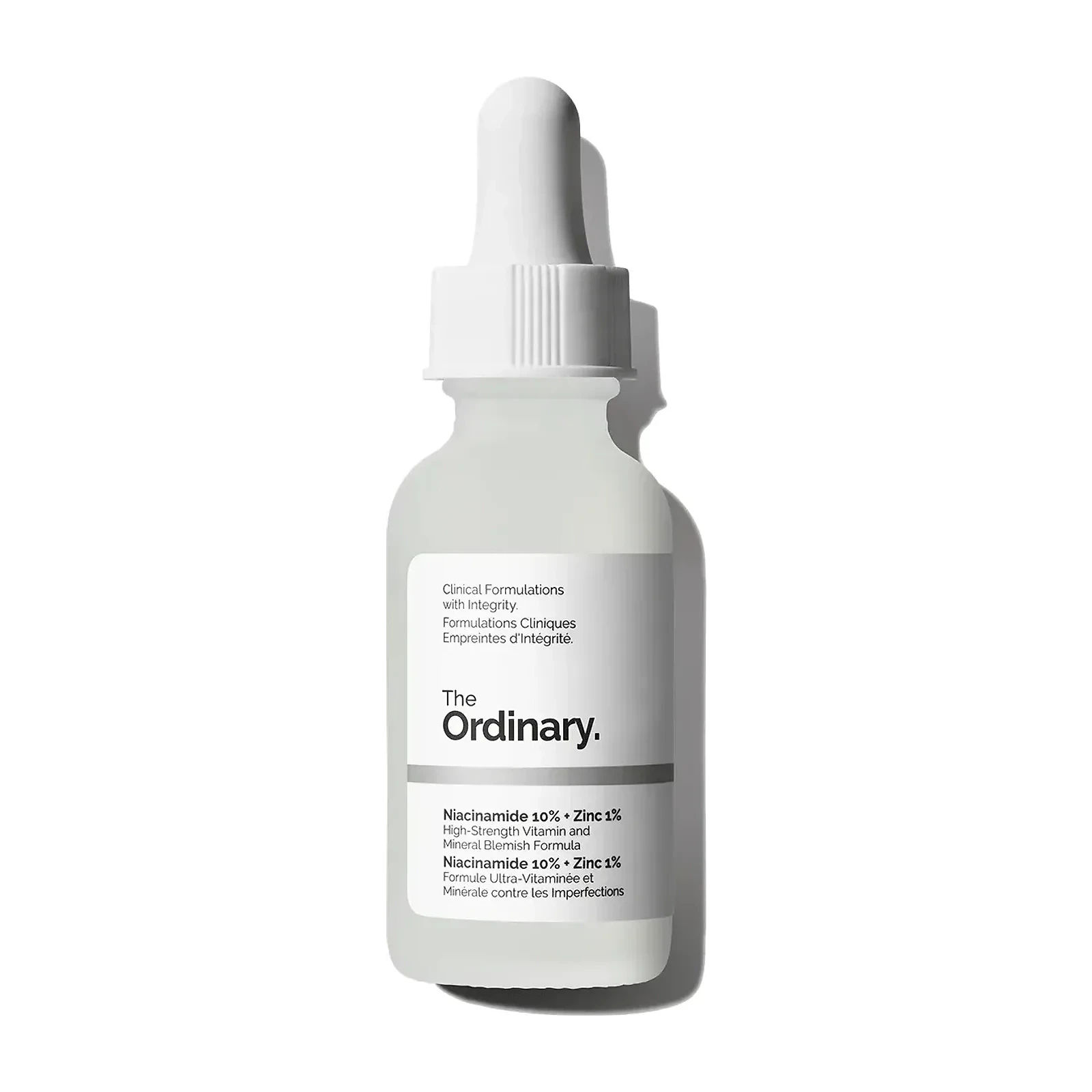
Niacinamide is the ingredient people ask us about most, usually because a 10% serum is sitting in their cart and the label promises everything from smaller pores to faded scars. Some of that is fair. Most of it is marketing.
What the evidence supports
- Reduced transepidermal water loss — skin holds its moisture better within a few weeks.
- Visibly less redness, which is why it suits rosacea-prone and post-acne skin.
- Slower transfer of pigment to the skin surface, so gradual fading of dark marks.
- Lower sebum output at higher concentrations, though the effect is modest.
Notice what is missing: pore size. Pores are structural. Niacinamide can make them look less congested by reducing oil and debris, but nothing in a bottle shrinks them permanently.
If a 10% serum stings, you do not need a stronger one. You need 5% and a moisturiser.
Does the percentage matter?
Less than the label suggests. Most of the published work on barrier and redness used concentrations between 2% and 5%. Ten percent is common because it reads well on a box, and for many people it is fine — but if your skin flushes or feels tight after applying it, the concentration is the first thing to drop, not the last.
3 comments
The scheduling point is what fixed my skin. I was layering niacinamide, an acid and a retinoid on the same night and blaming the serum.
Exactly this. Alternate nights for a fortnight and most people stop needing to change products at all.
Would love a follow-up on pairing this with azelaic acid — the internet completely disagrees with itself on that one.
Third bottle here. Redness is genuinely better, pores look the same, which matches what you wrote.