Rosemary oil for hair: an honest guide
It is all over your feed. Here is what the research actually tested, how to use a scalp oil without greasy roots, and when to see a doctor instead.

Rosemary oil went viral on the back of one small study, and like most viral beauty claims, the truth is more modest than the videos. It is a pleasant, low-risk scalp ritual. It is not a cure for hair loss.
What the research tested
The study most often quoted compared rosemary oil with a low-strength minoxidil over six months in a small group of people with pattern hair loss. Both groups saw some improvement, with no clear difference between them. That is interesting, but it is one modest trial — not proof that rosemary regrows hair for everyone.
What a scalp oil can realistically do
- Make scalp massage easier, and regular massage itself may support circulation.
- Soften flaky build-up before washing.
- Give your hair-care routine a moment of consistency, which is where most results come from.
If you are losing hair suddenly or in patches, see a doctor before you buy anything. Thyroid issues, iron levels and stress all show up in the hair first.
How to use it without greasy roots
Part your hair into sections and apply a few drops directly to the scalp, not the lengths. Massage for two or three minutes with your fingertips — not your nails. Leave it for at least an hour, or overnight, then shampoo twice: once to lift the oil, once to clean.
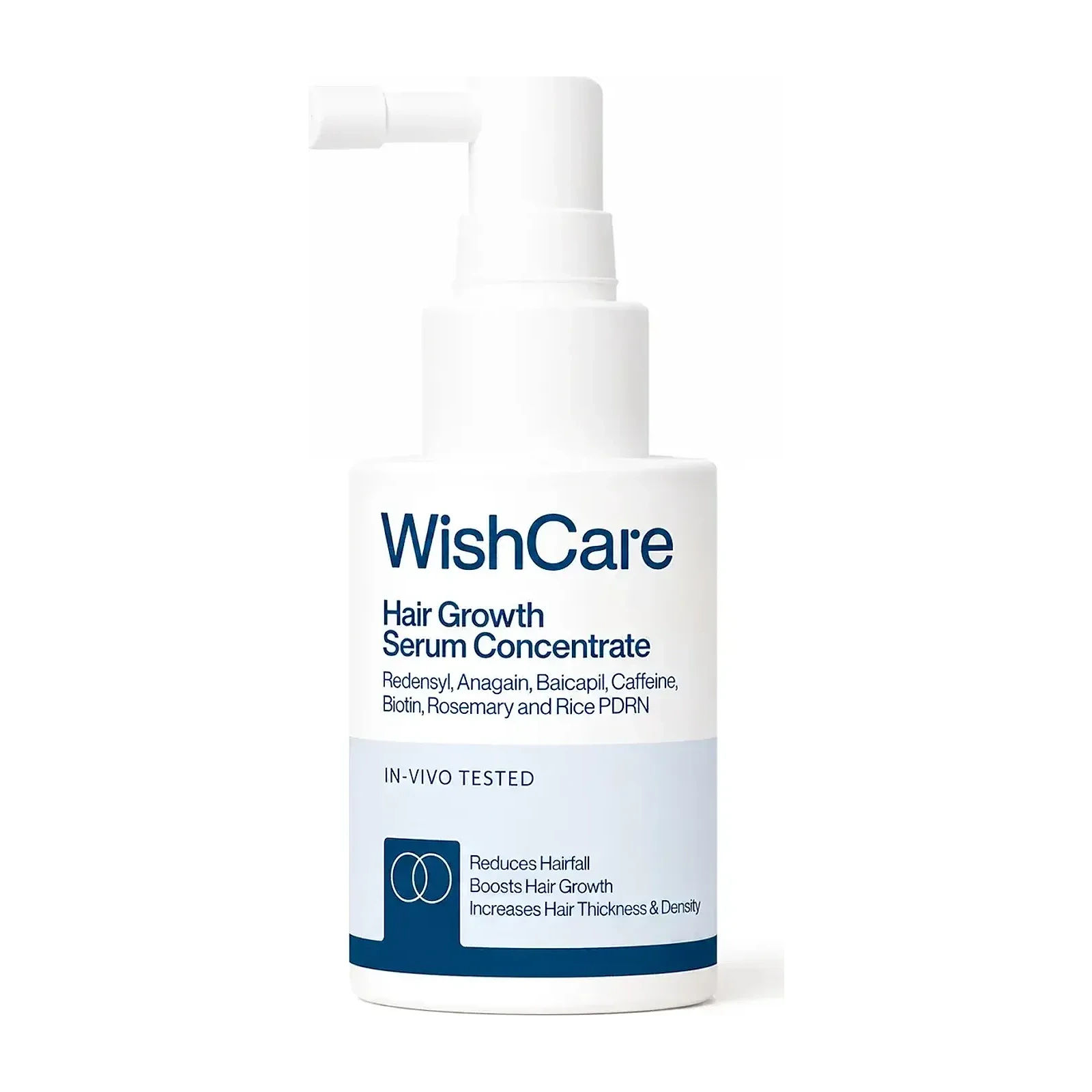
Patch test first
Essential oils are concentrated. Apply a little behind your ear and wait a day before using it across your scalp, especially if you have sensitive skin or eczema. Stop if you notice itching or redness.
Give it time
Hair grows roughly a centimetre a month, and shedding cycles run for months. Judge any scalp routine over three months at the earliest, with photos taken in the same light.
The short version
Use rosemary oil because you enjoy the ritual, wash it out well, and keep your expectations realistic. For real, ongoing hair loss, a dermatologist is the faster route.
Leads customer care, which means she has answered more routine questions than anyone else on the team.


Reader notes