Beauty supplements: what to realistically expect
Collagen, biotin and omega softgels are among our most-asked-about products. What they can and cannot do, and who should check with a doctor first.
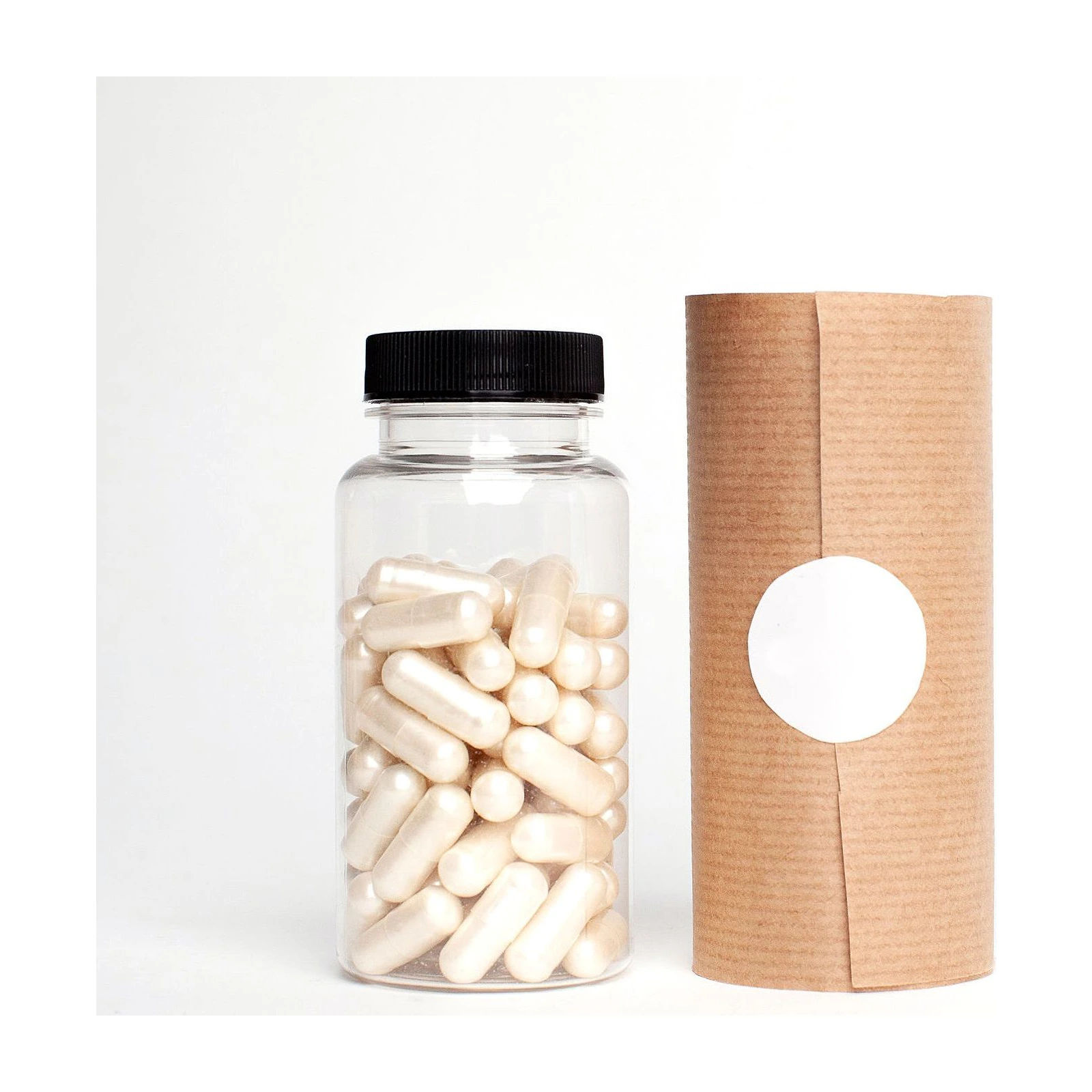
Supplements sit in an odd place on a beauty shelf. They are not cosmetics and they are not medicines, and the claims around them are often bigger than the evidence. Here is how we think about them.
Start with the basics
No capsule makes up for too little sleep, too little water or a diet short on protein, fruit and vegetables. Supplements fill gaps. If there is no gap, there is often very little for them to do.
Collagen
Collagen is broken down into amino acids and peptides when you digest it. Some studies have found modest improvements in skin hydration and elasticity over a few months, but results vary and many trials are small or industry-funded. If you try it, give it at least eight to twelve weeks and pair it with sunscreen — which protects the collagen you already have.
Biotin
Biotin deficiency can cause hair thinning and brittle nails, and supplementing helps people who are genuinely low. For people who are not deficient, there is little evidence it does much.
Biotin can interfere with some blood tests, including thyroid and heart tests. Tell your doctor if you take it, and stop before a scheduled test if they advise.
Omega fatty acids
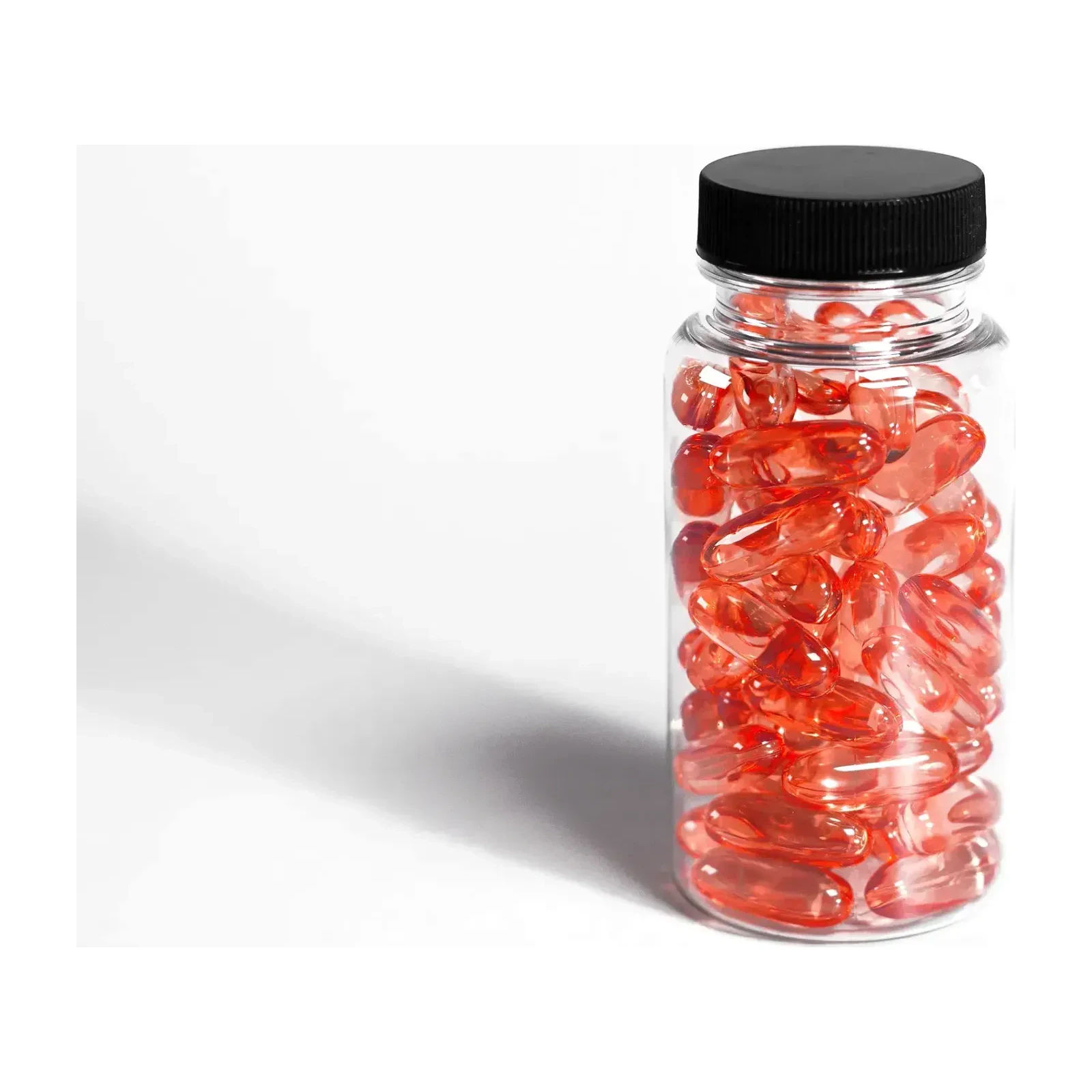
Omega oils from fish or plant sources like sea buckthorn play a role in the skin's lipid barrier. People with dry skin sometimes notice a difference, though the evidence is still developing.

Reader notes